
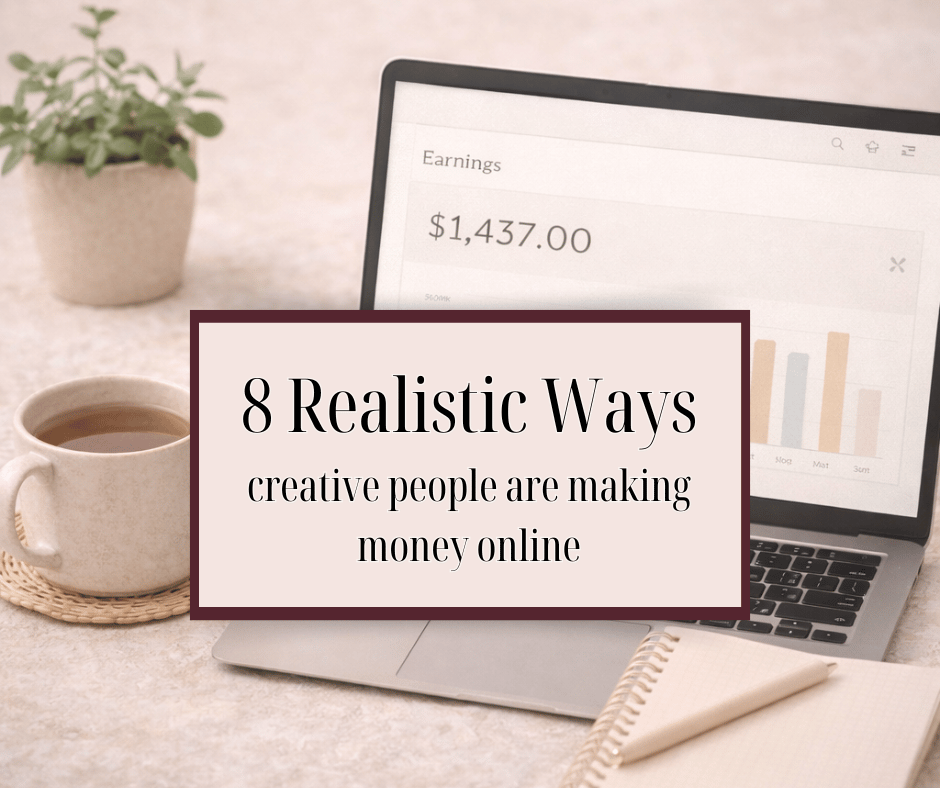
You Don’t Need a Big Idea to Make Money Online — Just a Calm One

If you’ve ever thought about making money online, you’ve probably noticed how loud the advice can feel.
Grow fast.
Scale quickly.
Post more.
Sell more.
For many creative people, that energy doesn’t feel inspiring — it feels exhausting.
Because deep down, you don’t just want income.
You want something sustainable. Something calm. Something that fits into your life instead of taking it over.
The good news is: you don’t need a groundbreaking idea to build income online.
You just need a clear, useful one.
Here are seven calm, realistic ways creative people are building income online — without becoming influencers or burning out.
1. Templates
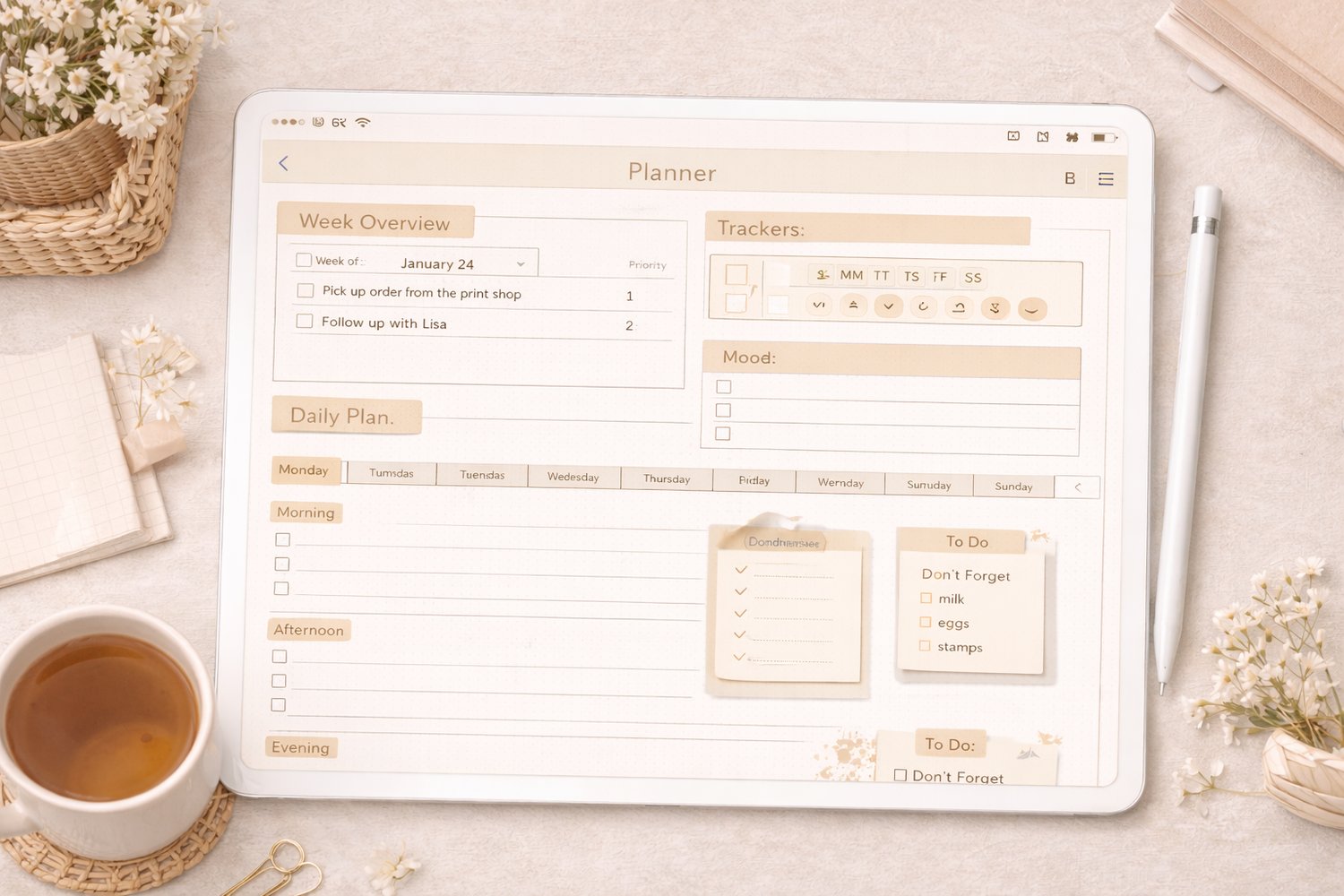
Templates are one of the simplest ways to turn creativity into something practical and repeatable.
They work because people aren’t just looking for inspiration — they’re looking for structure. A good template removes the friction of starting from scratch and replaces it with clarity and ease.
At their core, templates are tools that help people organize their time, thoughts, goals, or workflows in a way that feels manageable instead of overwhelming.
Common examples include:
- planners and digital planning layouts
- trackers for habits, goals, or routines
- checklists and workflows
- budgeting sheets
- journaling pages
- content calendars
- productivity dashboards
What makes templates especially appealing as a business model is their simplicity. Once created, they can be reused again and again without needing inventory, shipping, or ongoing production. They can also evolve over time as you refine them based on real usage.
For creative people, templates are a natural fit because they blend design with functionality. You’re not just making something that looks nice — you’re creating a system that helps someone feel more organized, more focused, or more in control of their day.
Another advantage is flexibility. Templates can be simple or detailed depending on your style, and they can serve many different audiences. Some creators focus on personal planning, while others design templates for business workflows, creative routines, or life organization.
✨ If you’re curious about creating templates but aren’t sure where to start...
Many people assume they need advanced design skills or complicated software, but that isn’t always the case. Starting small with a simple, functional idea is often the best approach.
If you’d like to explore how digital stickers and planning elements can become part of a cohesive template system, I’ve created a beginner-friendly guide that walks through the process step by step — with a focus on clarity rather than complexity. My examples are with stickers, but really this can be used for any creative project.
It’s designed to help you experiment without feeling overwhelmed, so you can see how templates can grow into a calm, sustainable digital product path.
Templates are often the starting point for many creators because they offer a balance of creativity and practicality — and they naturally lead into other types of digital products as your skills and ideas evolve.
2. Printables
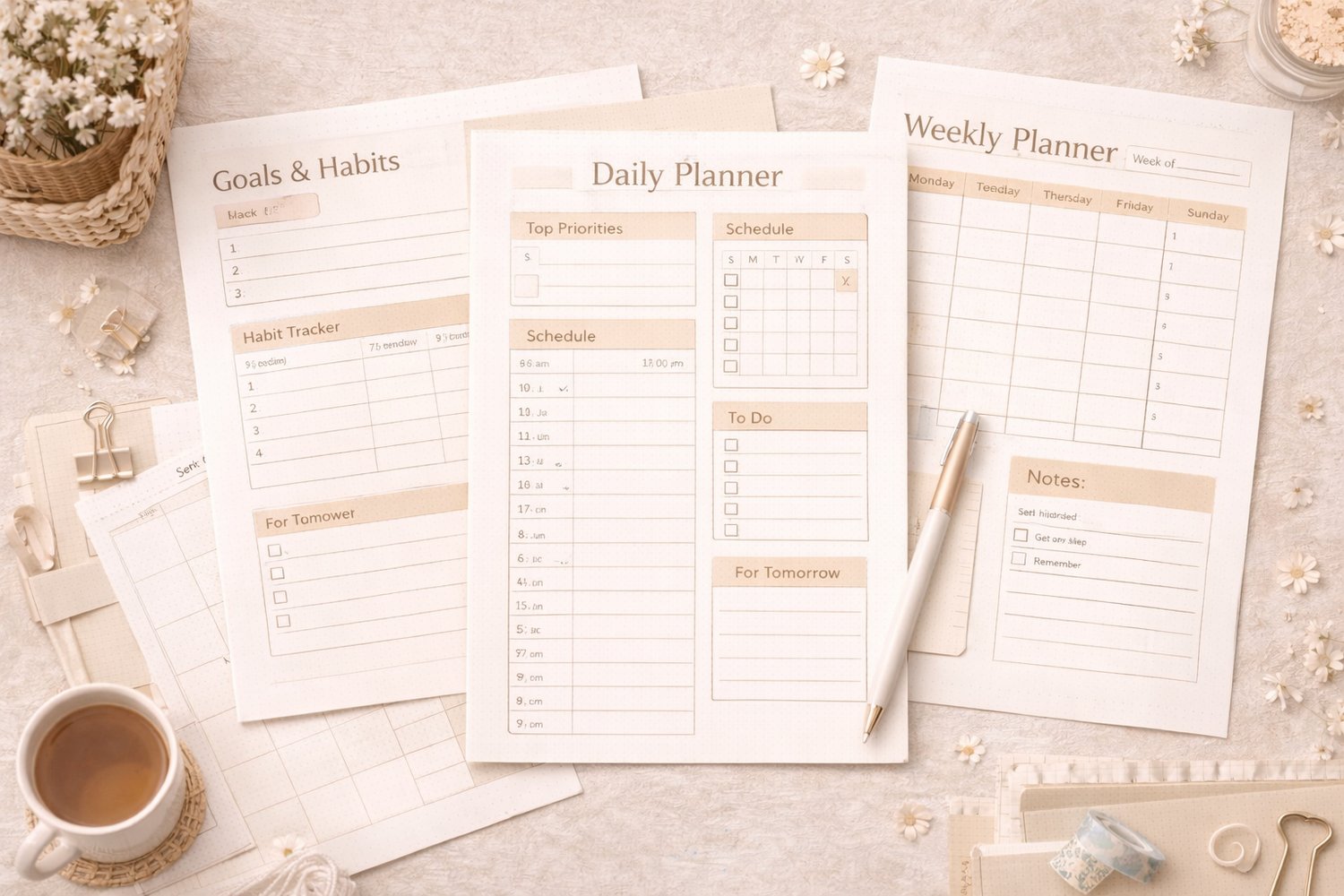
Printables are one of the most approachable ways to turn creativity into something tangible and useful.
Unlike digital-only tools, printables give people something they can hold, write on, and interact with physically — which is why they remain consistently popular across many different audiences.
At their core, printables simplify everyday tasks by providing structure in a format that feels familiar and easy to use.
Common examples include:
- planners and planning inserts
- worksheets and guided pages
- habit trackers
- wall art
- goal-setting pages
- activity sheets
- journaling pages
- checklists and routines
What makes printables appealing as a business model is their accessibility. They’re simple to create, easy to update, and can be offered repeatedly without needing to manage inventory or shipping.
For many creators, printables become a natural extension of their creativity because they combine visual design with practical function. A thoughtfully designed printable doesn’t just look nice — it helps someone stay organized, feel more focused, or create a routine that supports their goals.
Another benefit is versatility. Printables can serve many different needs, from personal organization to creative hobbies to educational tools. This flexibility allows creators to explore different ideas while still building a cohesive body of work.
✨ If you enjoy creating tools that help people slow down and reflect...
Printables often work best when they support intentional routines — the small habits and moments that bring clarity and calm into everyday life.
If you’re curious about this approach, I offer a FREE set of 12 months of journal prompts designed to help people reflect gently throughout the year. They’re simple prompts you can return to anytime you need direction or a creative reset.
They’re a great example of how printables can be both functional and meaningful without needing to be complicated.
Printables are often a starting point for many creators because they allow you to experiment with ideas, refine your style, and learn what people find most helpful — all while keeping the process simple and manageable.
Over time, they can grow into larger systems, collections, or digital product lines that build on the same foundation of usefulness and thoughtful design.
3. Micro Digital Products
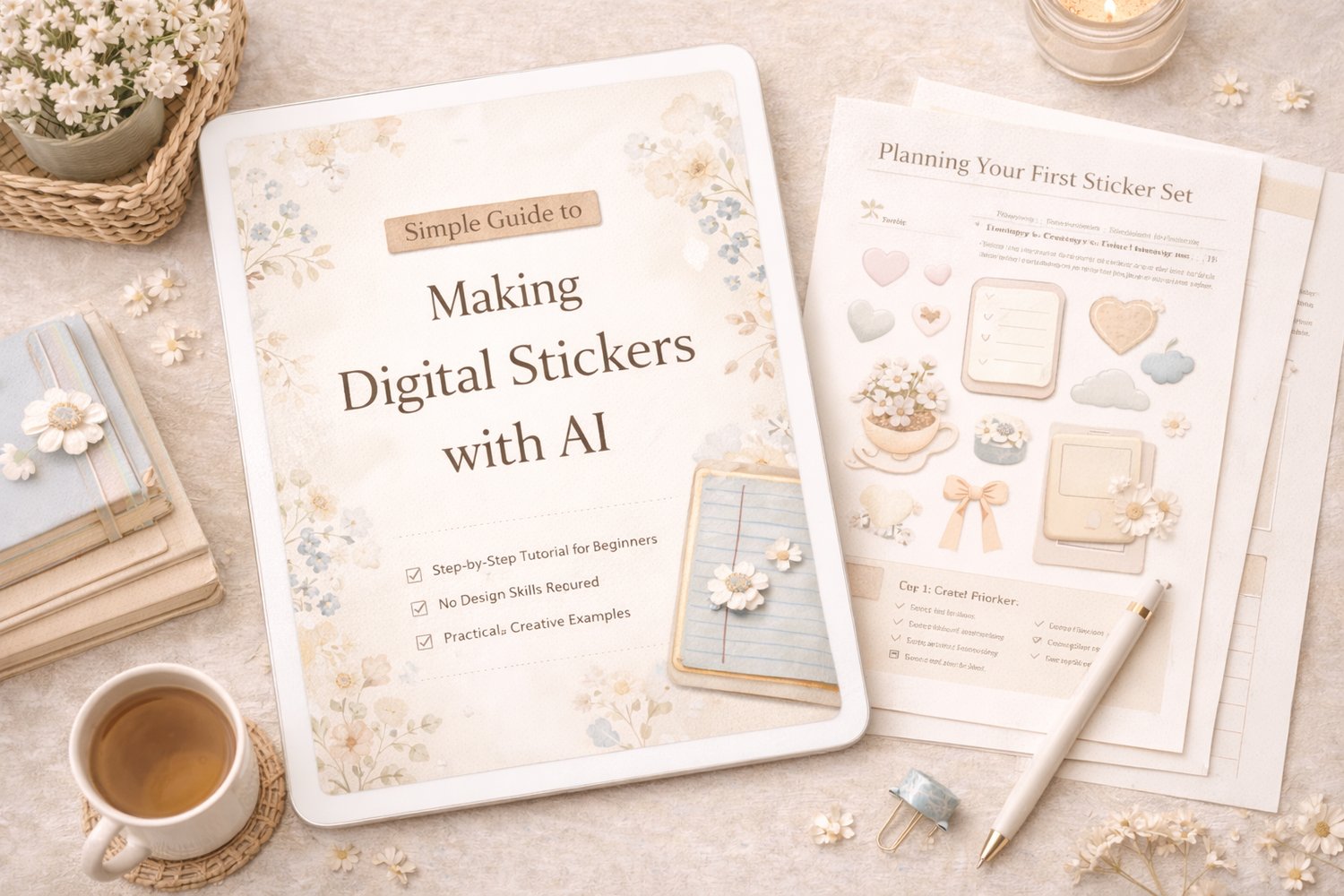
Micro digital products are small, focused resources designed to solve one specific problem clearly and simply.
Unlike large courses or complex systems, these products are intentionally concise. They provide just enough guidance or structure to help someone take action without feeling overwhelmed.
Because they’re approachable and practical, micro products often become one of the easiest ways for creators to start building digital offerings.
Common examples include:
- short guides or how-to PDFs
- prompt packs
- checklists
- swipe files
- mini toolkits
- quick-start resources
- short workshops
- focused templates
What makes micro digital products so effective is their clarity. Instead of trying to cover everything, they focus on one outcome or one idea, which makes them easier to create and easier for customers to use.
For creative entrepreneurs, this format allows you to share knowledge or systems without needing to build something large or time-consuming. Many creators find that micro products help them test ideas and learn what resonates before expanding into bigger offerings.
Another advantage is flexibility. Micro products can stand alone or become part of a larger collection over time, giving you the freedom to grow at your own pace.
✨ If you want a simple way to experiment with micro products...
Prompt packs are often one of the easiest starting points because they provide immediate value and help spark ideas quickly.
If you’re curious about this approach, I’ve put together a collection of Free 50 AI prompts for digital stickers designed around real planning needs. They’re meant to help you explore ideas without overthinking what to create first.
They’re a great example of how a small, focused resource can offer clarity without complexity.
Micro digital products are often where many creators begin because they allow you to share useful ideas quickly while building confidence in your process.
Over time, these smaller resources can naturally grow into guides, courses, or full product systems — all built from the same foundation of solving clear problems in simple ways.
4. Resource Libraries
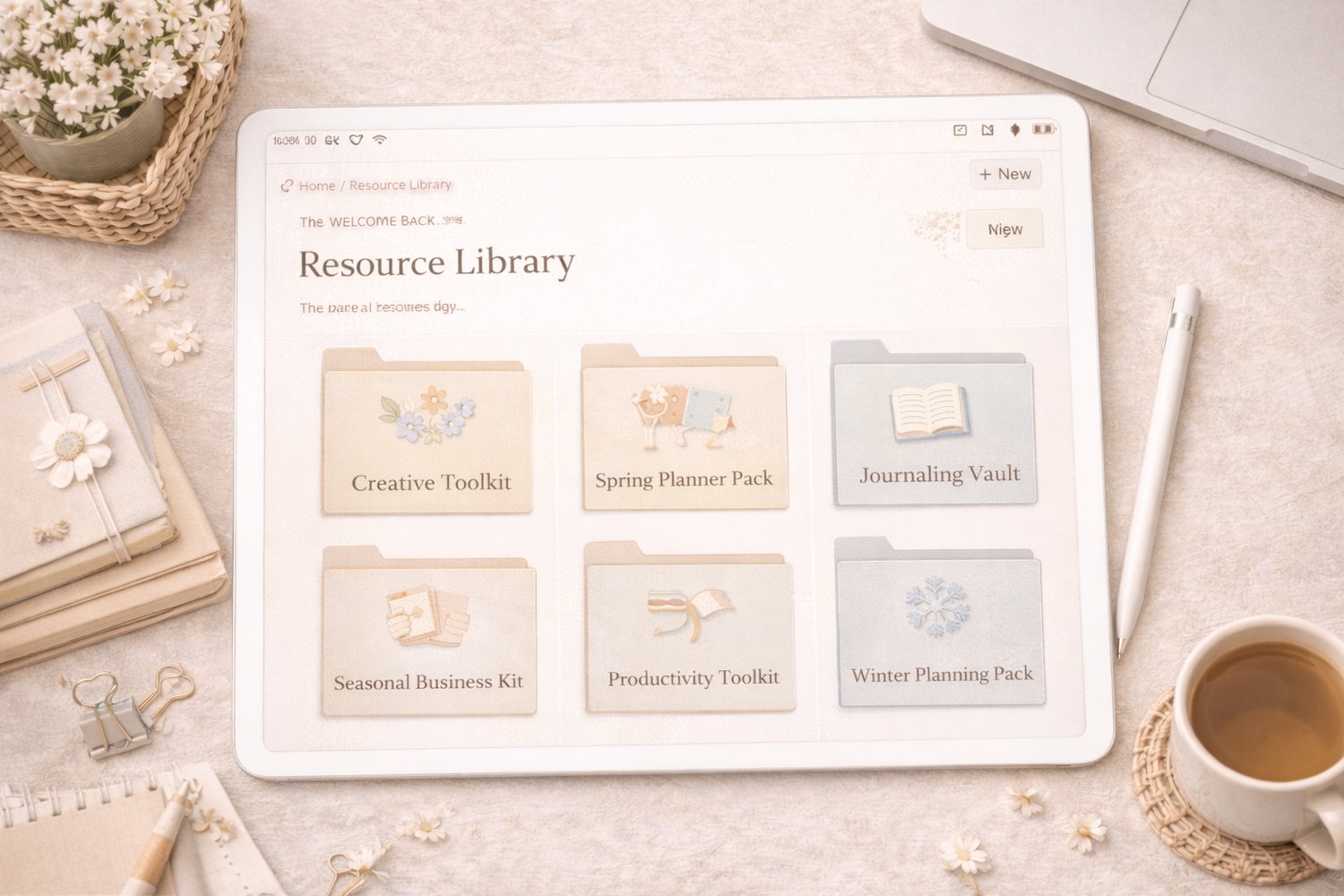
Resource libraries are collections of tools, templates, and guides that work together to support a larger system or ongoing need.
Instead of offering a single product, a resource library provides a curated set of materials that help people return again and again as they plan, organize, or create. This approach feels supportive because it offers continuity rather than a one-time solution.
At their best, resource libraries simplify decision-making. Instead of searching for new tools each time they need something, users can rely on one organized space where everything works together.
Common examples include:
- seasonal planning bundles
- productivity toolkits
- journaling libraries
- creative resource collections
- digital planning vaults
- organization kits
- content planning systems
- habit-building collections
What makes resource libraries powerful is the sense of cohesion they create. When tools are designed to complement each other, they become easier to use and more valuable over time.
For creators, this model allows you to build thoughtfully instead of constantly starting from scratch. You can add new resources gradually while maintaining a consistent structure that supports your audience’s needs.
Another advantage is longevity. Because resource libraries evolve over time, they often become foundational offerings that grow alongside your ideas and experience.
✨ If you’re drawn to creating systems instead of one-off products...
Many creators discover that their work naturally becomes more cohesive as they continue building tools that connect and support each other.
If you’re interested in how thoughtful design systems can create calmer, more sustainable products, I share a deeper look at this approach in my Cohesive Sticker Guide, which explains how cohesion can transform individual ideas into meaningful collections.
It’s a helpful starting point if you’re curious about building products that feel connected rather than scattered.
Resource libraries are often the natural next step for creators who enjoy building systems because they allow you to bring multiple ideas together into something that feels complete and supportive.
Over time, they can become a central part of your creative ecosystem — a place where everything you create works together to provide lasting value.
5. Beautiful Spreadsheet Dashboards
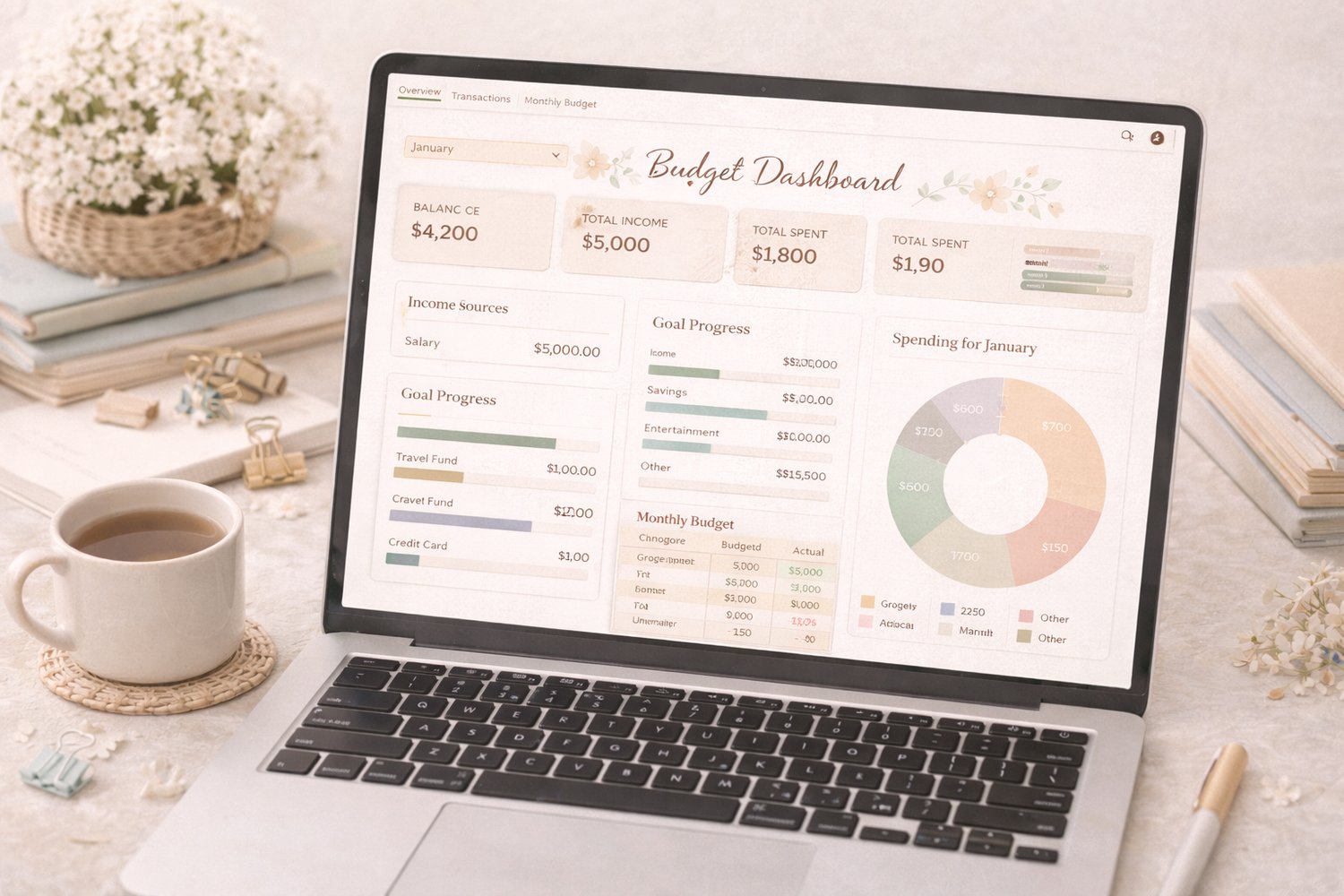
There’s a quiet kind of creativity that doesn’t always get recognized — the ability to turn numbers and information into something clear, useful, and visually calming.
For many people, spreadsheets feel intimidating or overwhelming. But when designed thoughtfully, they can become powerful tools that bring clarity instead of stress.
Creative spreadsheet dashboards are becoming increasingly popular because they combine functionality with aesthetics. They help people track progress, stay organized, and make better decisions without feeling buried in data.
Examples of creative spreadsheet products include:
- budgeting dashboards
- business expense trackers
- content planning systems
- goal tracking dashboards
- habit tracking spreadsheets
- project management planners
- income and savings trackers
A well-designed spreadsheet does more than calculate numbers — it creates a system that people can return to every day.
Many creators find this path especially rewarding because it blends organization with design thinking.
Colors, layout, spacing, and intuitive structure can transform a simple spreadsheet into a tool people genuinely enjoy using.
Another advantage is flexibility. Spreadsheet products can be simple or advanced depending on your strengths, and they can evolve over time as you learn more about what users need.
If you enjoy creating systems, organizing information, or making things feel clearer and more intentional, spreadsheet dashboards can be a meaningful way to build digital products that solve real problems.
Like many calm business ideas, the goal isn’t complexity — it’s usefulness.
6. Affiliate Content (Quiet Authority Model)
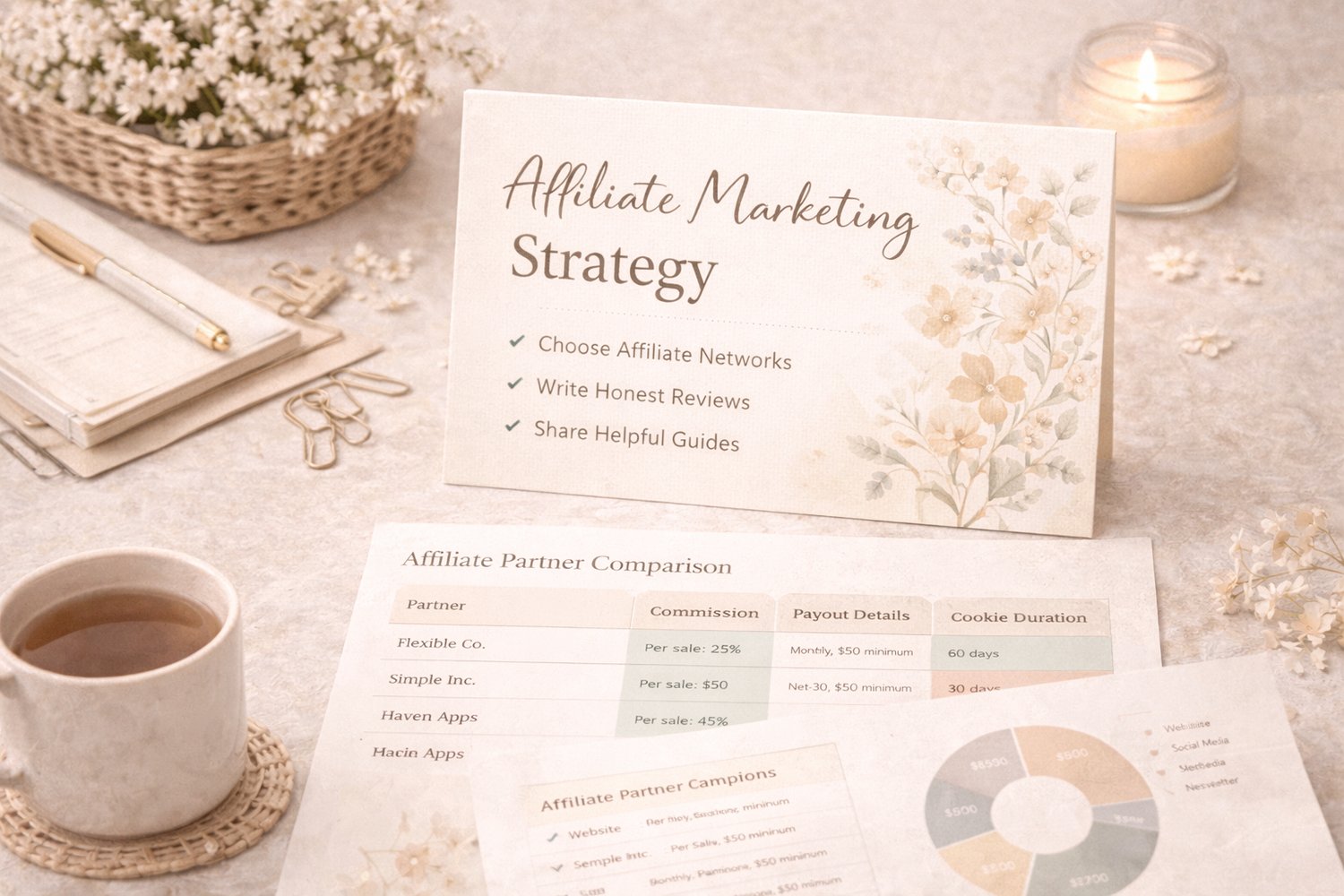
Affiliate income is often misunderstood.
It’s not about pushing products or convincing people to buy things they don’t need. At its core, affiliate content is simply sharing tools and resources that genuinely help — and earning a commission if someone decides to use them.
For many creators, this becomes one of the most natural ways to build income because it grows from helping first, not selling first.
Why It Works for Creative People
Creative people are often already experimenting with tools, workflows, and systems to make their work easier. That makes affiliate content feel less like marketing and more like sharing what you’ve discovered along the way.
You might recommend:
- tools you use regularly
- creative software
- planning systems
- business platforms
- learning resources
When recommendations come from real experience, they feel supportive instead of promotional.
You Don’t Need a Large Audience
Affiliate income doesn’t require a huge following — it works best with an aligned one.
People trust thoughtful recommendations from someone who understands their needs, even if that audience is small. Consistency and honesty matter much more than reach.
7. Low-Pressure Courses
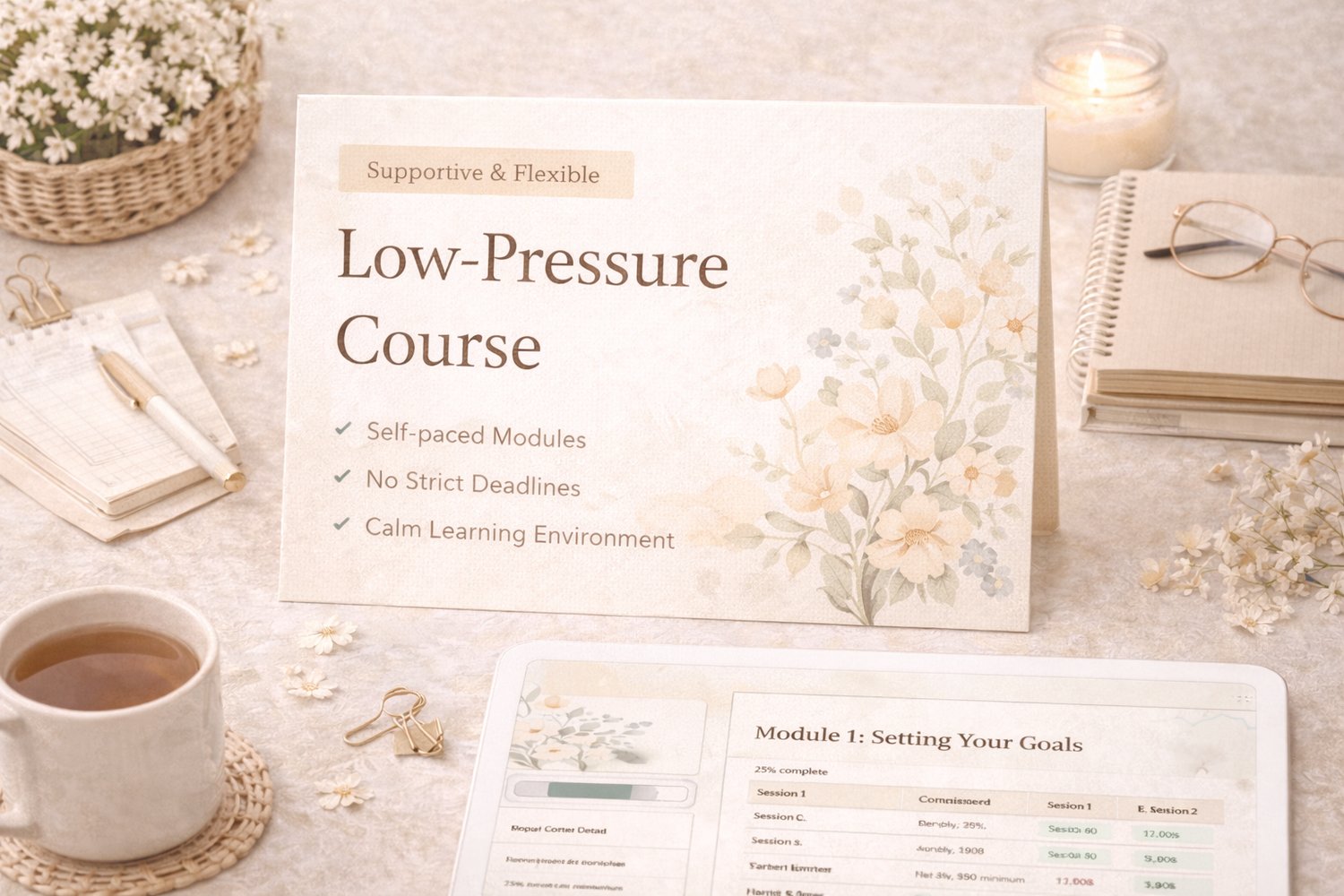
Courses don’t have to be complex, high-production, or overwhelming to be valuable.
In fact, some of the most helpful courses are simple, focused, and designed to guide someone through one clear process without unnecessary complexity. Low-pressure courses prioritize clarity over volume and practicality over perfection.
At their core, these types of courses are about sharing what you know in a way that feels approachable and supportive rather than intense or fast-paced.
Common examples include:
- step-by-step walkthroughs
- workflow tutorials
- beginner guides
- process breakdowns
- skill introductions
- short workshops
- focused mini-courses
- system overviews
What makes low-pressure courses appealing is that they respect both the creator’s energy and the learner’s time. They focus on one outcome and remove the pressure to cover everything at once.
For many creators, teaching becomes a natural extension of their work. If you’ve developed a method, a system, or a way of approaching something that makes life easier, turning that knowledge into a simple course can be a meaningful way to help others while building a sustainable income stream.
Another benefit is flexibility. Courses can be short or longer depending on your style, and they can evolve as you refine your approach. Many creators begin with a small course and expand gradually as they learn what resonates most.
✨ If you enjoy explaining your process or sharing what you’ve learned
Low-pressure courses are often the next step after creating guides or smaller resources because they allow you to walk someone through your ideas more deeply while still keeping things manageable.
They don’t require elaborate setups or high production — just clarity, structure, and a genuine desire to help.
Low-pressure courses work best when they feel like guidance rather than instruction, which is why they fit so naturally into calm, sustainable online businesses.
Over time, they can become part of a larger ecosystem of resources that support your audience while allowing you to teach in a way that feels aligned with your energy and values.
8. Membership or Resource Vault
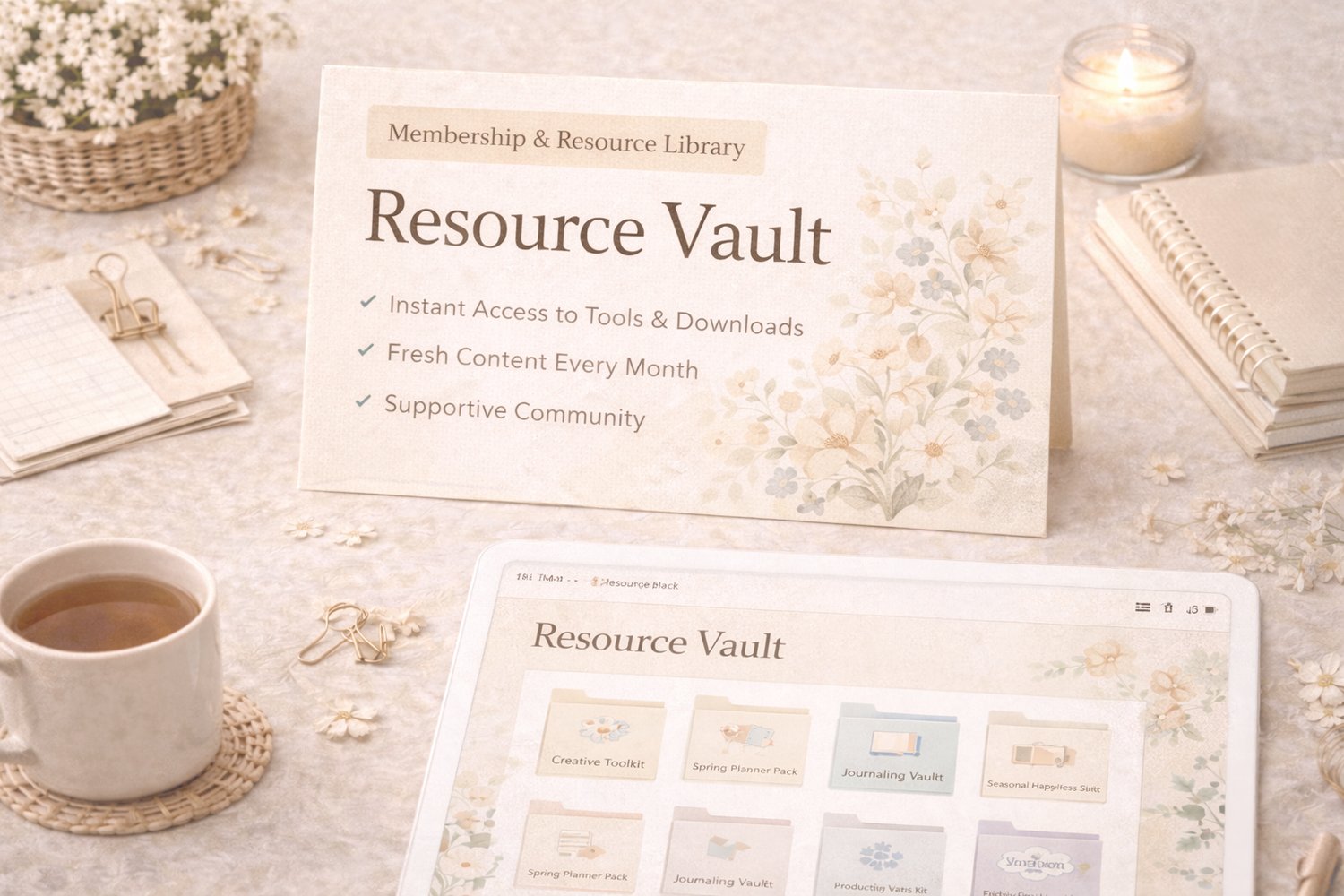
Memberships and resource vaults are designed to provide ongoing support rather than a one-time solution.
Instead of offering a single product, this model creates a space where people can return regularly to access tools, resources, and ideas that help them stay organized, inspired, or supported over time. It shifts the focus from individual downloads to a more continuous experience.
At their best, memberships feel less like subscriptions and more like a helpful library — a place where everything is organized and easy to access whenever it’s needed.
Common examples include:
- monthly resource collections
- planning libraries
- creative tool vaults
- seasonal content releases
- ongoing template access
- exclusive guides and resources
- digital planning ecosystems
- creative workflow libraries
What makes this model appealing is the sense of continuity it creates. Instead of starting from scratch each time, members have a consistent place to find tools that work together and evolve as their needs change.
For creators, memberships allow you to build gradually. You don’t need to launch everything at once — you can add resources over time, refining and expanding the collection as you learn what’s most helpful.
Another benefit is sustainability. Because the focus is on ongoing value rather than constant new launches, memberships often feel calmer and more stable for both creators and members.
✨ If you enjoy building systems that grow over time...
Many creators naturally move toward this model because their ideas begin to connect and form a larger ecosystem of tools and resources.
A resource vault allows you to bring those pieces together in one place, creating a cohesive experience that supports your audience while giving you the flexibility to build at a steady pace.
Memberships work best when they feel supportive rather than overwhelming, which is why they fit so well within calm, sustainable online businesses.
Over time, they often become a central hub where everything you create can live together — offering both structure and flexibility as your work continues to evolve.
Why Calm Businesses Last Longer
The internet often celebrates speed and scale, but sustainable businesses are usually built differently.
They’re built on:
- usefulness
- clarity
- consistency
- realistic expectations
When something fits naturally into your life, it becomes easier to maintain — and easier to grow.
How to Choose Where to Start
If all of these ideas sound interesting, start here:
Choose the option that feels:
- simple
- manageable
- energizing instead of stressful
You don’t need to pick perfectly. You just need to pick calmly.
Small beginnings often lead to the most sustainable paths.
How to Sell Your Digital Products (Without Making It Complicated)
Once you’ve created something useful, the next question naturally becomes: how do you actually sell it?
For many creators, this is the part that feels intimidating — not because selling is difficult, but because
there are so many platforms and opinions about the “right” way to do it.
The truth is, selling doesn’t need to be complicated. What matters most is having a simple, reliable place where people can learn about your products, understand what they do, and purchase easily.
A good platform should feel like a home base — somewhere you can organize your products, share your ideas, and build your business at your own pace.
Why Having Your Own Website Matters
Selling through marketplaces can be helpful, but having your own website gives you more control over your brand, your customer experience, and how your products are presented.
It allows you to:
- create a cohesive experience
- organize your products clearly
- share helpful content alongside your offerings
- build trust with your audience
- grow your business without relying entirely on algorithms
Your website becomes the foundation that everything else connects back to.
A Simple Platform That Works Well for Creators
One platform that many digital creators appreciate is Payhip, because it combines a storefront, digital delivery, and website functionality in one place without unnecessary complexity.
It’s designed specifically for selling digital products, which makes it easy to upload files, organize your offerings, and start selling without needing technical experience.
Payhip allows you to keep things simple while still having a professional, organized space for your business.
A Quick Note for Transparency:
I want to share openly that I am a Payhip affiliate, which means I may earn a commission if someone chooses to sign up through my link.
I also use Payhip for my own website and products because I genuinely believe in the platform and appreciate how simple and reliable it is for digital creators. I only recommend tools that I personally use and trust.
What to Focus on First
When you’re just starting, you don’t need a complicated setup.
Focus on:
- one clear product
- a simple product description
- an easy purchase experience
- helpful information that explains what problem it solves
Selling works best when it feels straightforward and supportive rather than overwhelming.
Keep It Simple and Build Gradually
You don’t need a large catalog or a perfectly polished store to begin. Many creators start with just one or two products and expand over time as they learn what their audience finds most helpful.
Your selling platform should support your growth, not add pressure.
Creating something useful is the first step. Making it easy for people to access it is the next — and with the right setup, selling can feel like a natural extension of sharing what you’ve created.
Final Thoughts
Making money online doesn’t have to feel overwhelming or complicated.
You don’t need a huge audience.
You don’t need to post constantly.
You don’t need a perfect plan.
You just need a useful idea and the willingness to start small.
Over time, those small steps turn into skills, confidence, and income that feels steady instead of chaotic.
And that’s where real progress begins.
✨ If you’re exploring digital products, start with one simple idea and build from there. The goal isn’t to do everything — it’s to do something intentionally.